How To Use Broadleaved Dock: Surprising Benefits
Broad-leaved dock (Rumex obtusifolius) is a common weed that is often overlooked. However, this plant has a long history of medicinal use, and it is packed with nutrients. In this blog post, we will explore the surprising benefits of broad-leaved dock, and how you can use it to improve your health.
Introduction
Broad-leaved dock is a perennial plant that is native to Europe, Asia, and North Africa. It can grow up to 6 feet tall, and it has large, oval leaves with a reddish-purple tint. The flowers are small and yellow, and they bloom in the summer.
Broad-leaved dock has been used medicinally for centuries. The leaves and roots are used to treat a variety of conditions, including constipation, diarrhea, jaundice, skin problems, and anemia. The plant also contains a number of vitamins and minerals, including vitamin C, potassium, and iron.
Main Content
Here are some of the surprising benefits of broad-leaved dock:
- It can help to relieve constipation. The leaves of broad-leaved dock contain a substance called rhein, which has laxative properties. A tea made from the leaves can be effective in relieving constipation.
- It can help to treat diarrhea. The tannins in the leaves of broad-leaved dock can help to bind the stool and reduce diarrhea. A tea made from the leaves can be effective in treating diarrhea.
- It can help to boost the immune system. Broad-leaved dock is a good source of vitamin C, which is an important antioxidant that helps to boost the immune system. The plant also contains other antioxidants, such as quercetin and kaempferol.
- It can help to improve skin health. The leaves of broad-leaved dock can be used to make a compress that can help to soothe skin irritations, such as eczema and psoriasis. The plant also contains a substance called allantoin, which can help to promote wound healing.
- It can help to treat anemia. The leaves and roots of broad-leaved dock are a good source of iron, which is an important mineral for preventing and treating anemia. A tea made from the roots can be effective in treating anemia.
How to Use Broad-Leaved Dock
Broad-leaved dock can be used in a variety of ways. The leaves and roots can be made into teas, tinctures, or compresses. The leaves can also be eaten raw or cooked.
To make a tea from broad-leaved dock, simply steep 2-3 leaves in hot water for 10-15 minutes. To make a tincture, grind the roots into a powder and then soak them in alcohol for several weeks. To make a compress, mash the leaves and apply them to the affected area.
Safety Precautions
Broad-leaved dock is generally safe to use, but there are a few safety precautions to keep in mind. The plant can cause allergic reactions in some people, so it is important to test it on a small area of skin before using it. Broad-leaved dock should also not be used by pregnant or breastfeeding women.
Conclusion
Broad-leaved dock is a versatile plant that has a long history of medicinal use. It is packed with nutrients and has a number of surprising benefits for health. If you are looking for a natural way to improve your health, broad-leaved dock is a good option to consider.
If you are interested in learning more about broad-leaved dock, I recommend visiting Home Gardening. This website has a wealth of information about the plant, including its medicinal properties, how to identify it, and how to use it.
FAQ of broad leaved dock
- What is broad-leaved dock?
Broad-leaved dock (Rumex obtusifolius) is a perennial weed that is common in gardens, lawns, and other areas. It has large, jagged leaves and a long, thick taproot. Broad-leaved dock is a nuisance because it can be difficult to control and it can crowd out other plants.
- What are the medicinal uses of broad-leaved dock?
The leaves, roots, and seeds of broad-leaved dock have been used for centuries for their medicinal properties. The leaves can be used to make a tea that is said to help with constipation, jaundice, and skin problems. The roots can be used to make a tincture that is said to help with liver problems and rheumatism. The seeds can be used to make a syrup that is said to help with coughs and colds.
- How can I control broad-leaved dock?
There are a number of ways to control broad-leaved dock. Some of the most effective methods include:
* Hand-pulling: This is the most effective way to control broad-leaved dock, but it can be time-consuming and labor-intensive.
* Digging: This can be effective if the entire root system is removed.
* Mulching: This can help to smother the weeds and prevent them from germinating.
* Weeding: This can be done with a hoe or other weeding tool.
* Herbicides: There are a number of herbicides that can be used to control broad-leaved dock. However, it is important to use herbicides carefully and only when necessary, as they can also harm other plants.
- Is broad-leaved dock poisonous?
Broad-leaved dock is not poisonous, but it can cause some side effects if consumed in large quantities. These side effects can include nausea, vomiting, and diarrhea. It is important to note that broad-leaved dock can interact with certain medications, so it is important to talk to your doctor before using it.
Image of broad leaved dock
- Broad-leaved dock leaf

- Broad-leaved dock flower
- Broad-leaved dock plant
- Broad-leaved dock seed

- Broad-leaved dock root
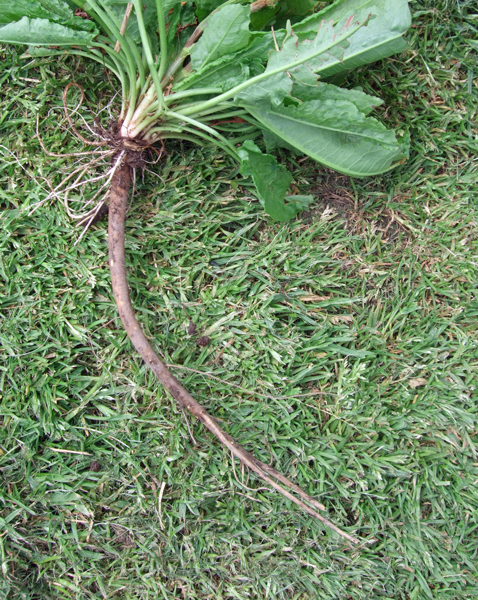
- Broad-leaved dock in habitat

- Broad-leaved dock close-up
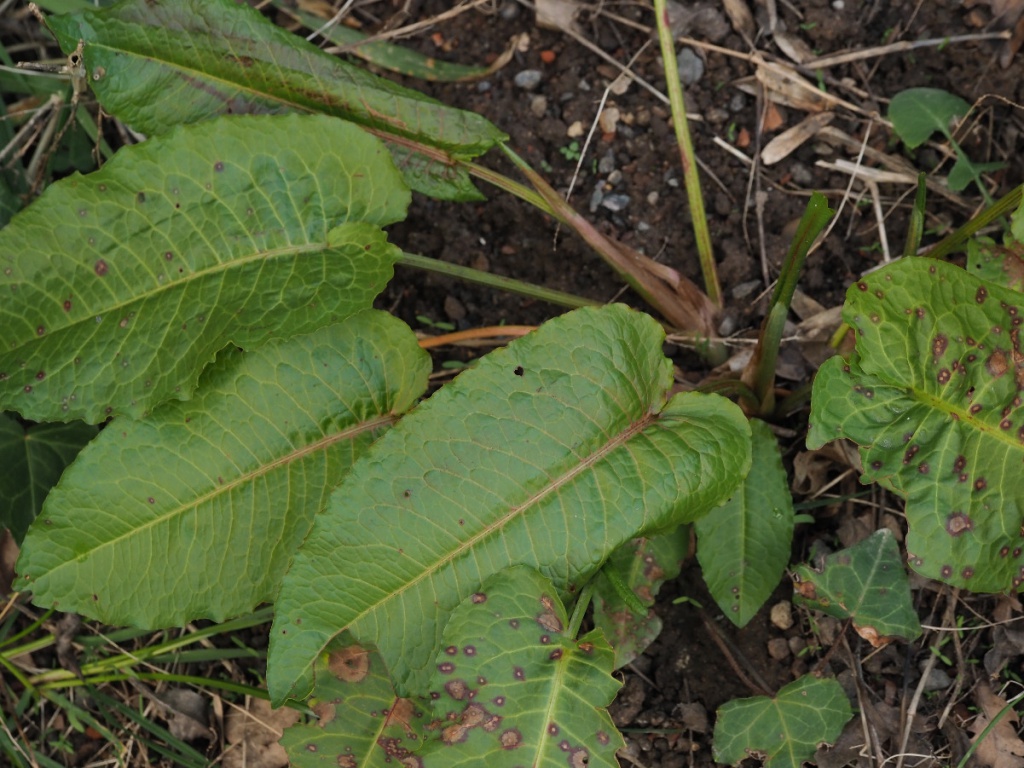
- Broad-leaved dock in silhouette

- Broad-leaved dock against a blue sky
- Broad-leaved dock in a garden


Post a Comment for "How To Use Broadleaved Dock: Surprising Benefits"